
A home does not have to be perfectly organized to feel calm, functional, and supportive.
In fact, some of the most successful organizing systems are the simplest ones. They are not always the prettiest or the most Pinterest-worthy. They work because they fit the people who live there.
Lately, I have been hearing from many busy moms and families who are overwhelmed by unpacking, clutter, school papers, backpacks, laundry, toys, and all the everyday items that seem to pile up faster than they can be put away.
Some families are moving into a new home and want to set it up correctly from the beginning. Others have lived in their home for years but feel like their current systems are no longer working.
This is especially common in households where one or more family members have ADHD, executive functioning challenges, sensory needs, or other forms of neurodivergence. A complicated organizing system may look good at first, but if it takes too many steps to maintain, it usually will not last.
As a professional organizer and occupational therapist, I look at home organization a little differently.
I am not just asking where things should go. I am looking at how your family moves through the home, where items are naturally dropped, which routines feel stressful, and what makes daily tasks easier or harder.
The goal is not to force your family to fit the system.
The goal is to create a system that fits your family.
Start With the Places Where Clutter Collects
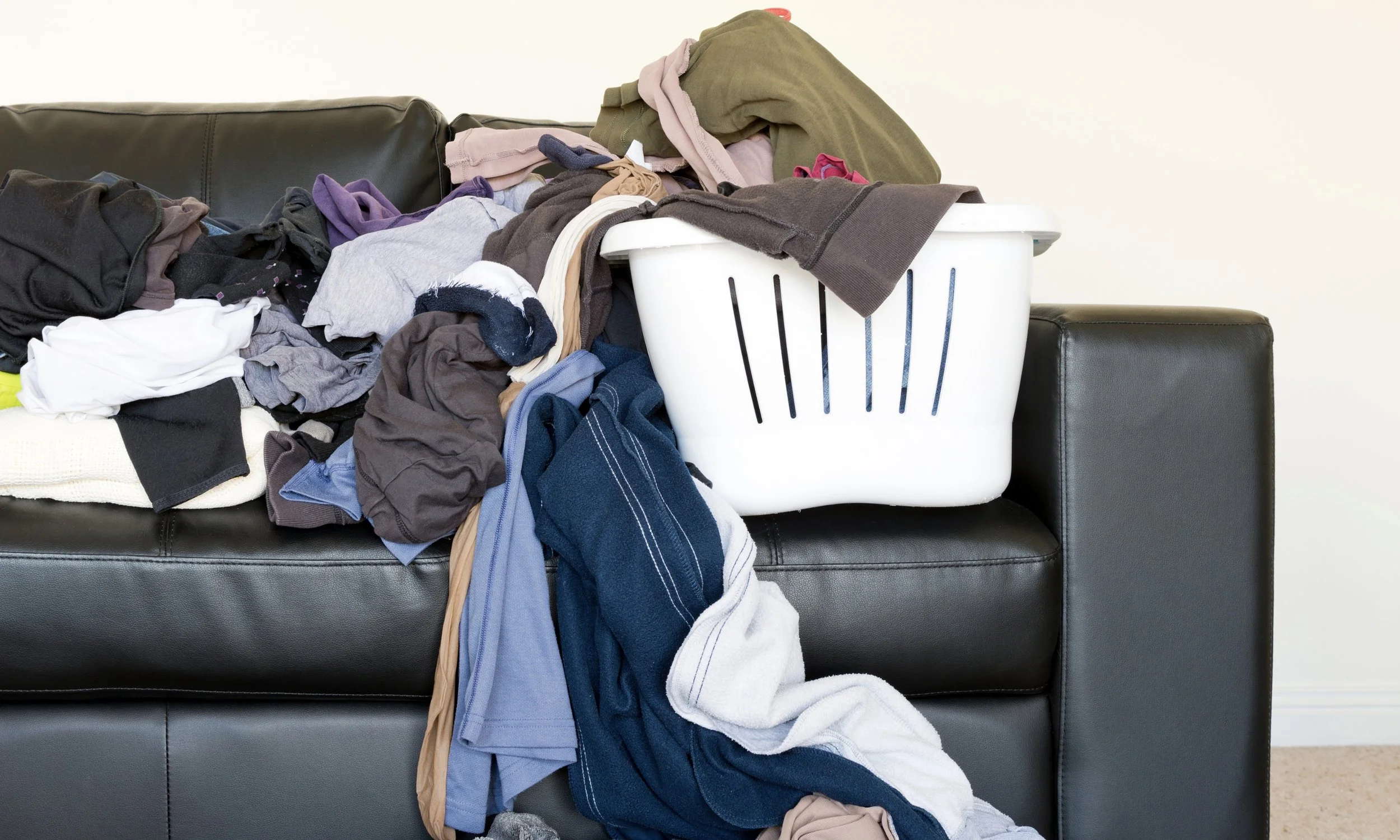
Every home has areas where things naturally land.
It may be the kitchen counter, the dining room table, the bottom of the stairs, the entryway, or the chair that somehow becomes the official home for everything nobody knows what to do with.
These areas are often referred to as drop zones, but that does not mean they are a problem. They are giving you useful information.
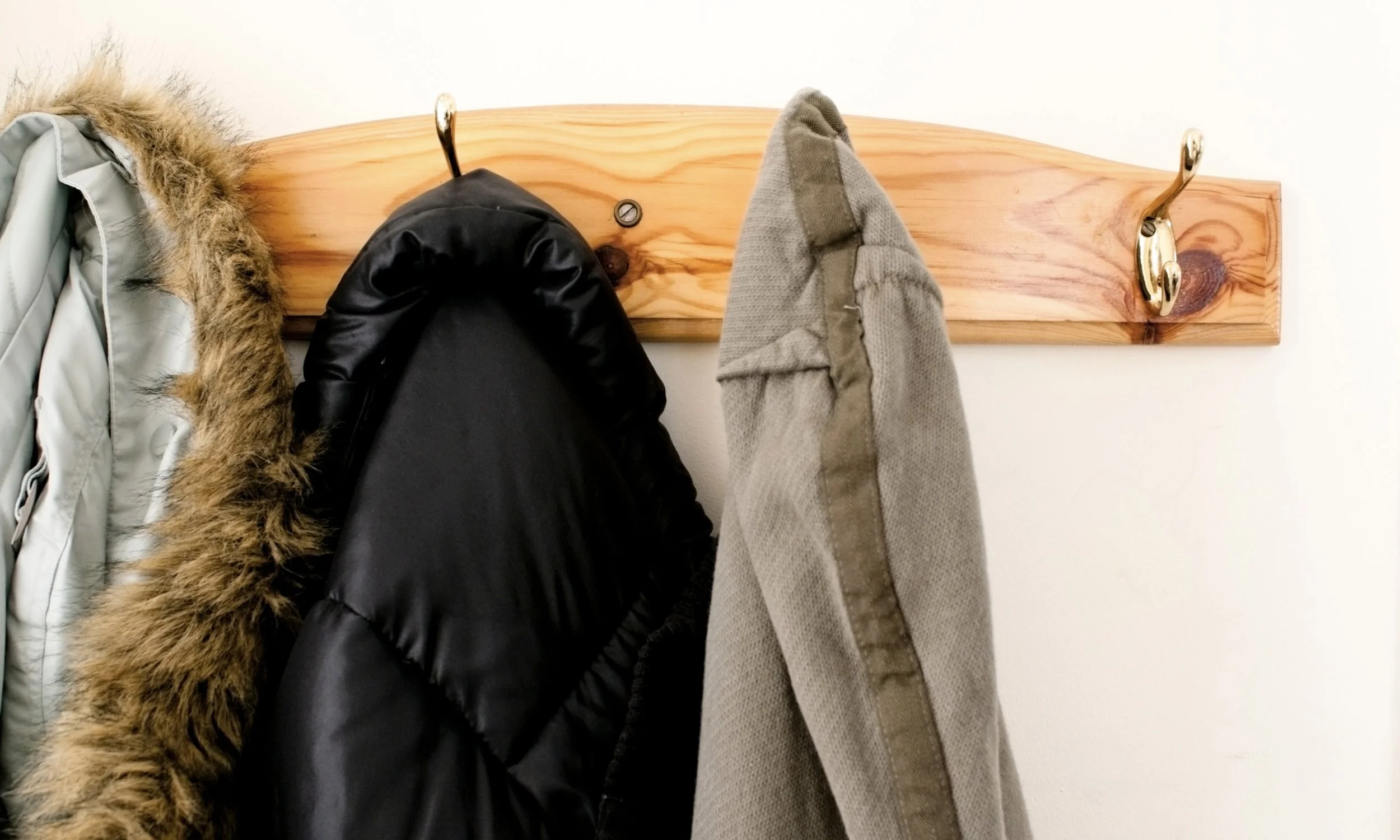
If backpacks always land by the door, that is probably where the backpack hooks or baskets should be.
If mail collects on the kitchen counter, consider placing a simple mail station nearby instead of trying to make everyone carry it to an office across the house.
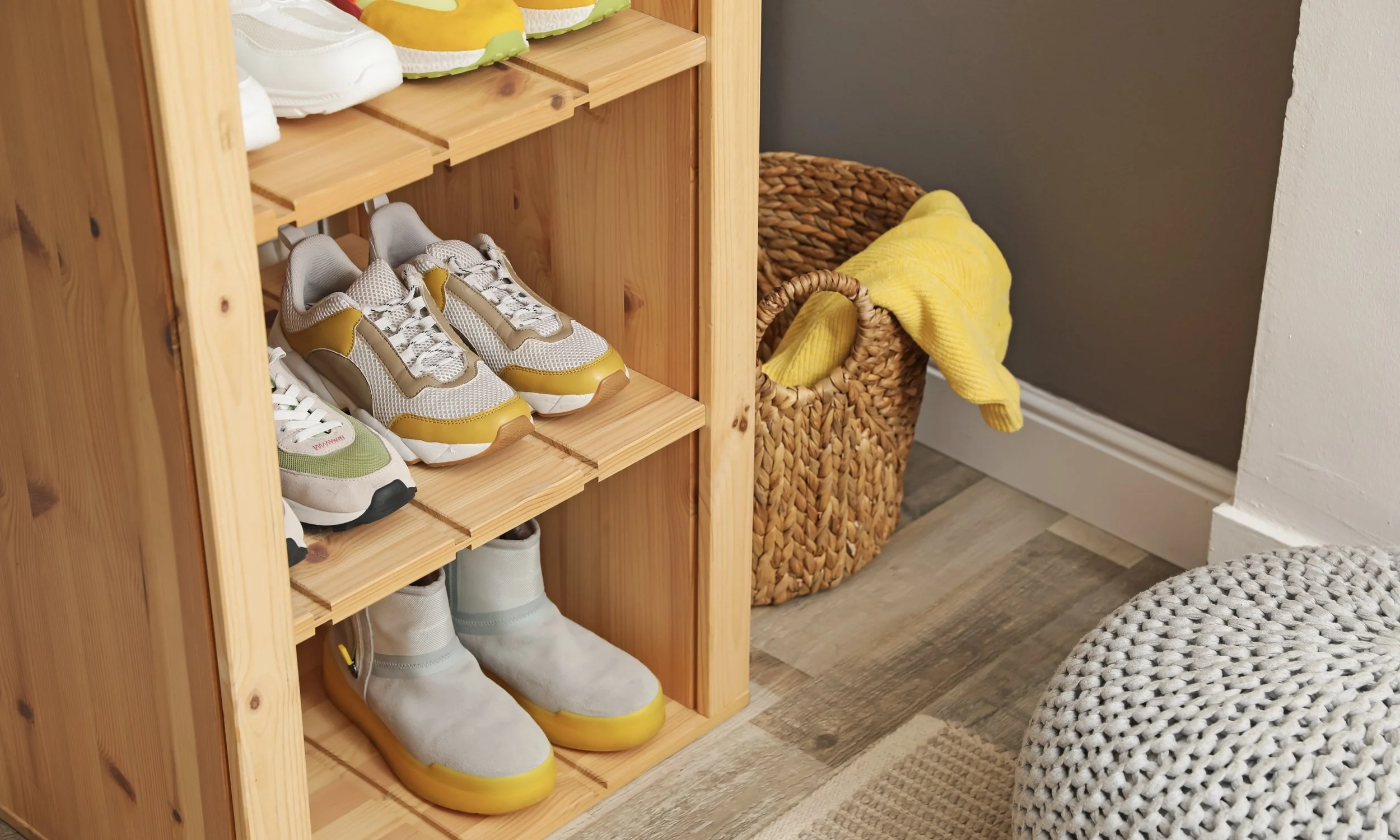
If shoes are always kicked off in the same spot, add a basket, tray, or shelf there.
Rather than fighting your family’s natural habits, use them as a guide.
Keep Organizing Systems Simple
The more steps a system requires, the less likely it is to be maintained, especially in a busy or neurodivergent household.
A coat hook may work better than a hanger.
An open basket may work better than a bin with a lid.
A laundry hamper in the bedroom may work better than expecting everyone to carry clothes to a central laundry room.
A paper tray labeled “Needs Action” may work better than a detailed filing system with multiple categories.
Simple systems are not lazy systems. They are practical systems.
When organizing a family home, I often ask whether the system can be used quickly, even on a rushed morning or after a long day.
If the answer is no, it may need to be simplified.
Store Things Where They Are Used
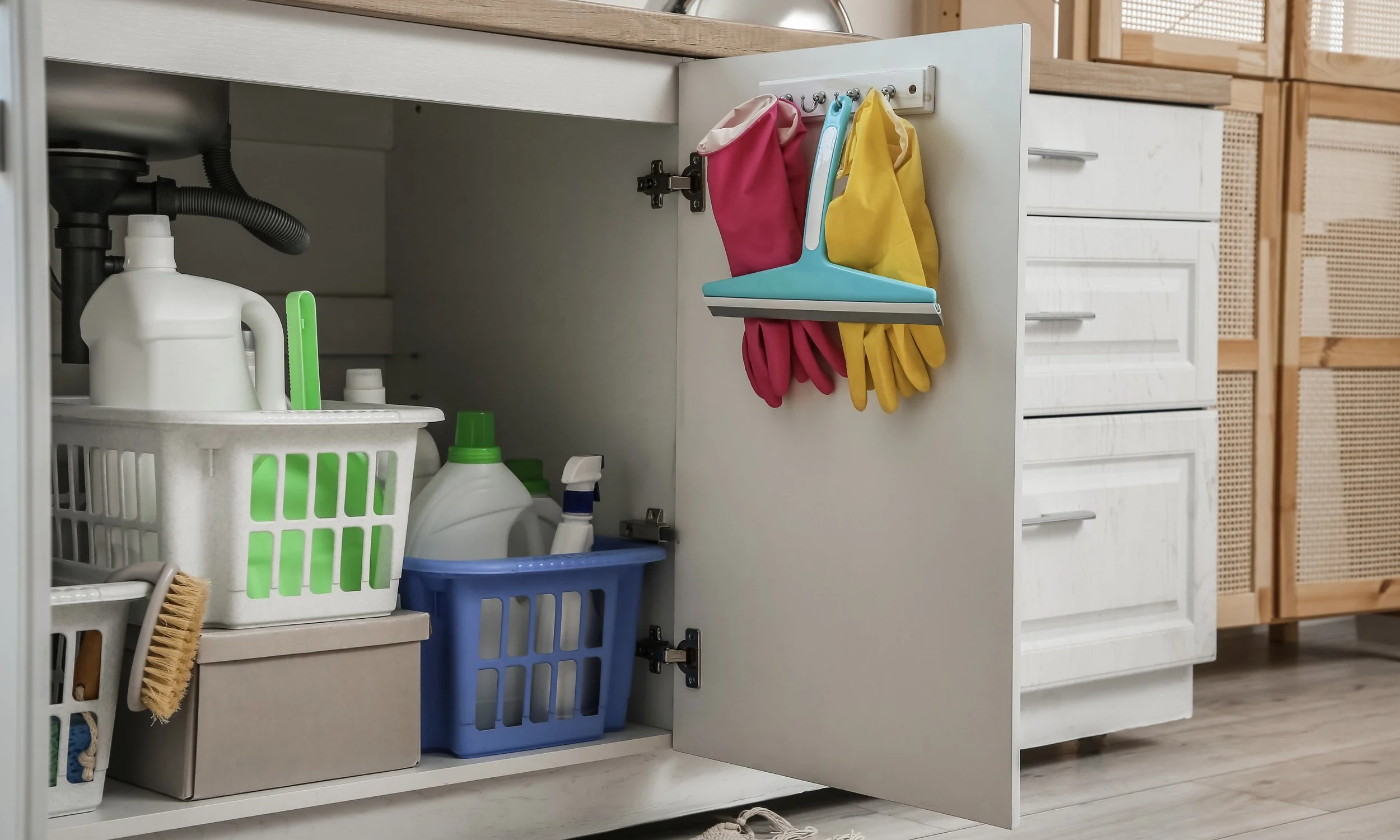
One of the easiest ways to make a home more functional is to store items close to where they are used.
For example:
• Keep lunch-making supplies together in the kitchen
• Store school paperwork near the area where it is reviewed
• Keep cleaning supplies in the rooms where they are needed, as long as it is safe
• Place extra toiletries near the bathroom instead of in a distant storage area
• Create a basket near the stairs for items that need to go up or down
When items have to travel across the house to be put away, they are more likely to be left out.
Reducing the distance and effort involved can make a big difference.
Make Things Easy to See
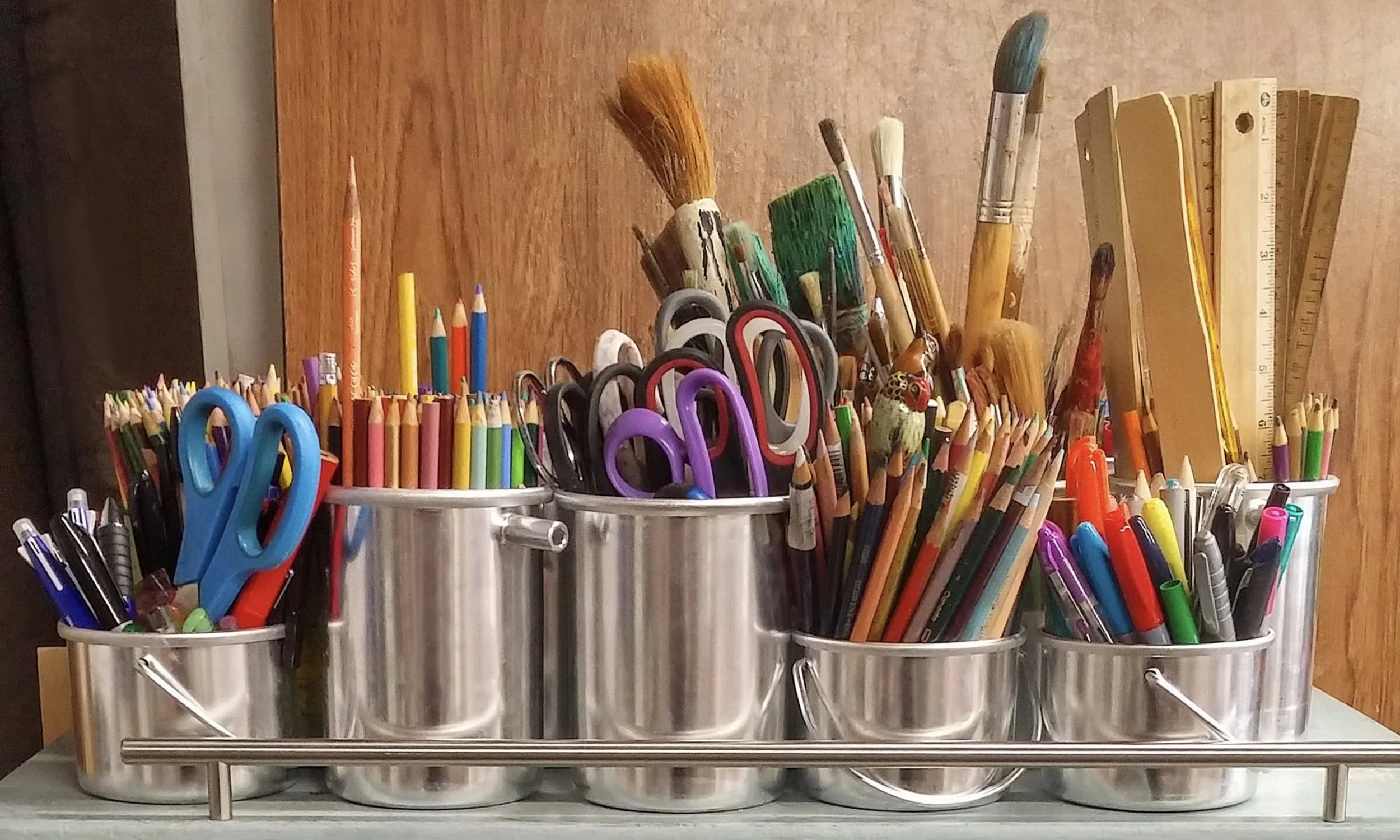
For many people with ADHD or executive functioning challenges, out of sight can quickly become out of mind.
Clear containers, open bins, visible labels, and shallow drawers can make it easier to remember what you have and where it belongs.
This does not mean everything has to be on display. It means the storage system should provide enough visual information to be useful.
For example:
• A labeled basket for snacks may work better than stacking several kinds of food in the back of a deep cabinet
• A clear bin for school supplies may work better than a closed decorative box
• A small open tray for keys and wallets may work better than a drawer
The right amount of visibility can reduce searching, duplicate purchases, and frustration.
Give Each Family Member a Clear Place for Their Things
Shared spaces are easier to maintain when everyone knows where their belongings go.
This might include:
• A hook for each person
• A basket for each child
• A cubby for shoes and backpacks
• A folder for school papers
• A shelf for items that need to leave the house
• A labeled bin for sports gear or activities
Color coding can be helpful for some families, especially younger children or visual learners.
Labels with both words and pictures may also make systems easier to use.
The goal is to remove as much decision-making as possible.
Instead of asking, “Where should this go?” the answer should be easy to see.
Create a Realistic Drop Zone
A family drop zone can help prevent clutter from spreading throughout the house.
A useful drop zone might include:
• Hooks for coats and bags
• A place for shoes
• A basket for hats and gloves
• A tray for keys and wallets
• A bin for items that need to be returned
• A spot for incoming mail and school papers
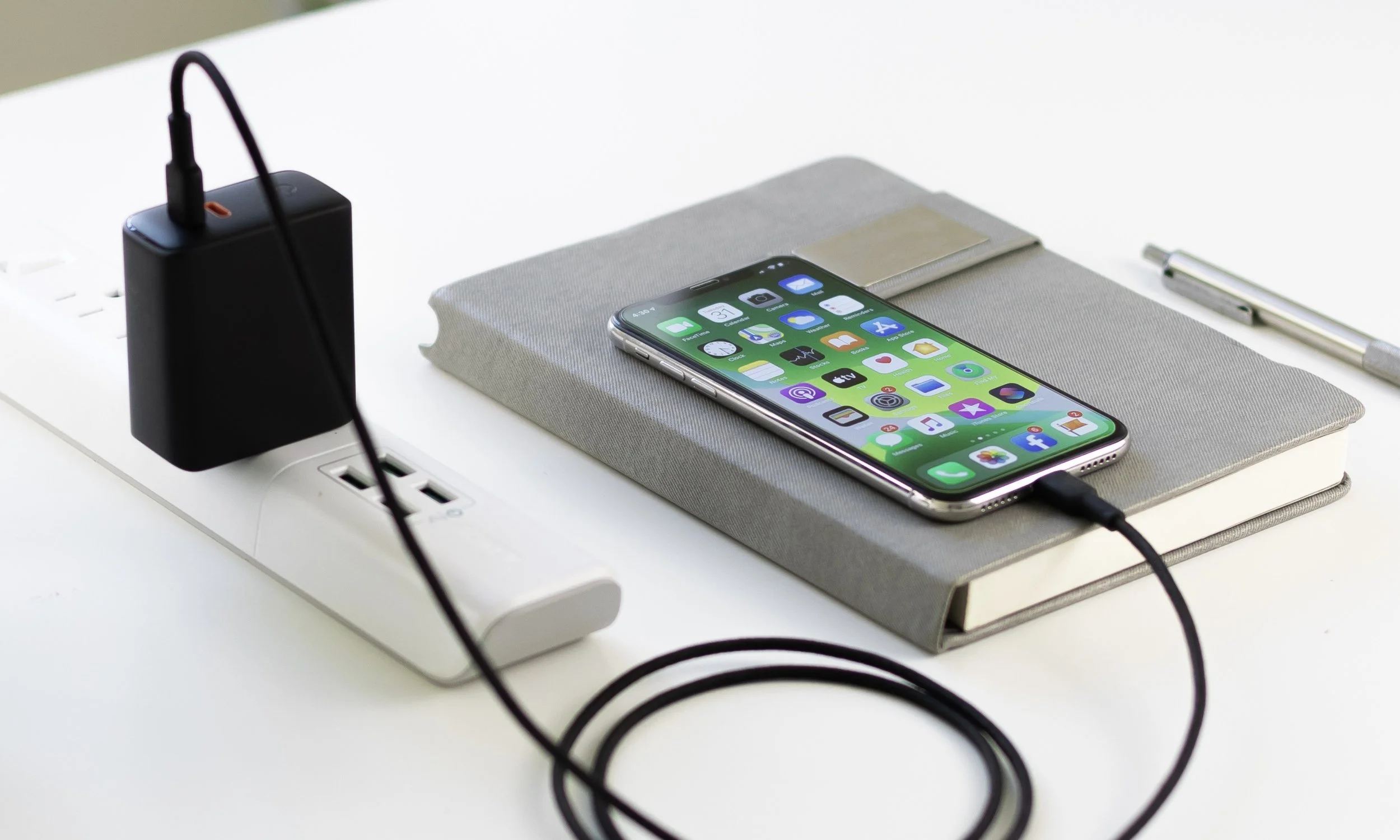
• A charging area for phones or tablets
The best location is usually near the entrance your family uses most often.
You do not need a large mudroom or a custom-built storage system. A small wall, narrow table, bench, or set of hooks can be enough.
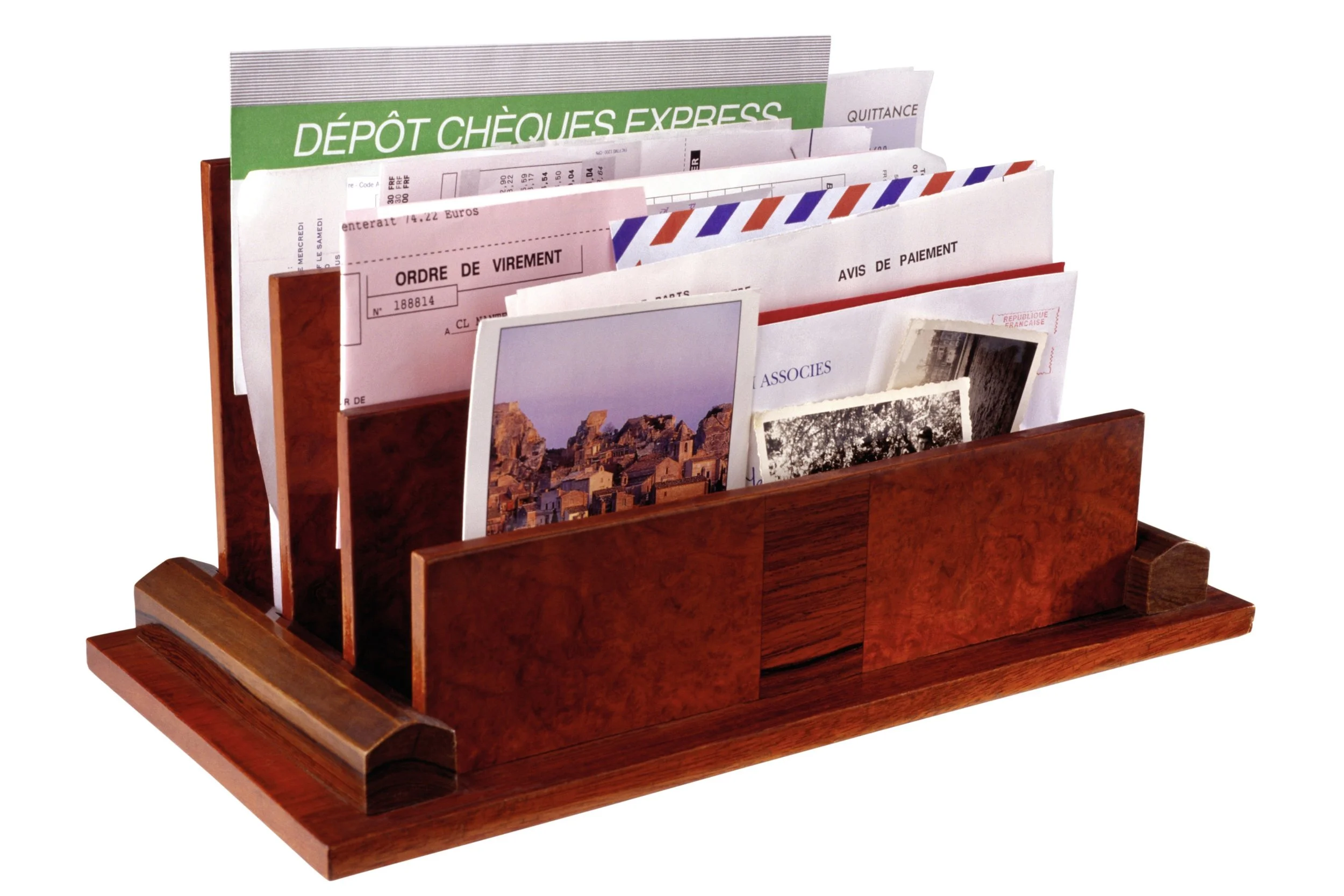
Give Papers Fewer Places to Hide
Paper clutter can become overwhelming because it often includes items that require a decision.
Some papers need to be paid. Some need to be signed. Some are reminders. Others may be sentimental or important to keep.
Try using a few broad categories instead of creating a complicated filing system.
For example:
• To Do or Pay
• Waiting or Follow-Up
• Read or Review
• File or Keep
• Recycle or Shred
A simple paper system is easier to maintain than a system with dozens of categories.
For school papers, consider choosing one location for papers that need action and another for artwork or keepsakes.
You do not have to save everything to preserve the memories that matter.
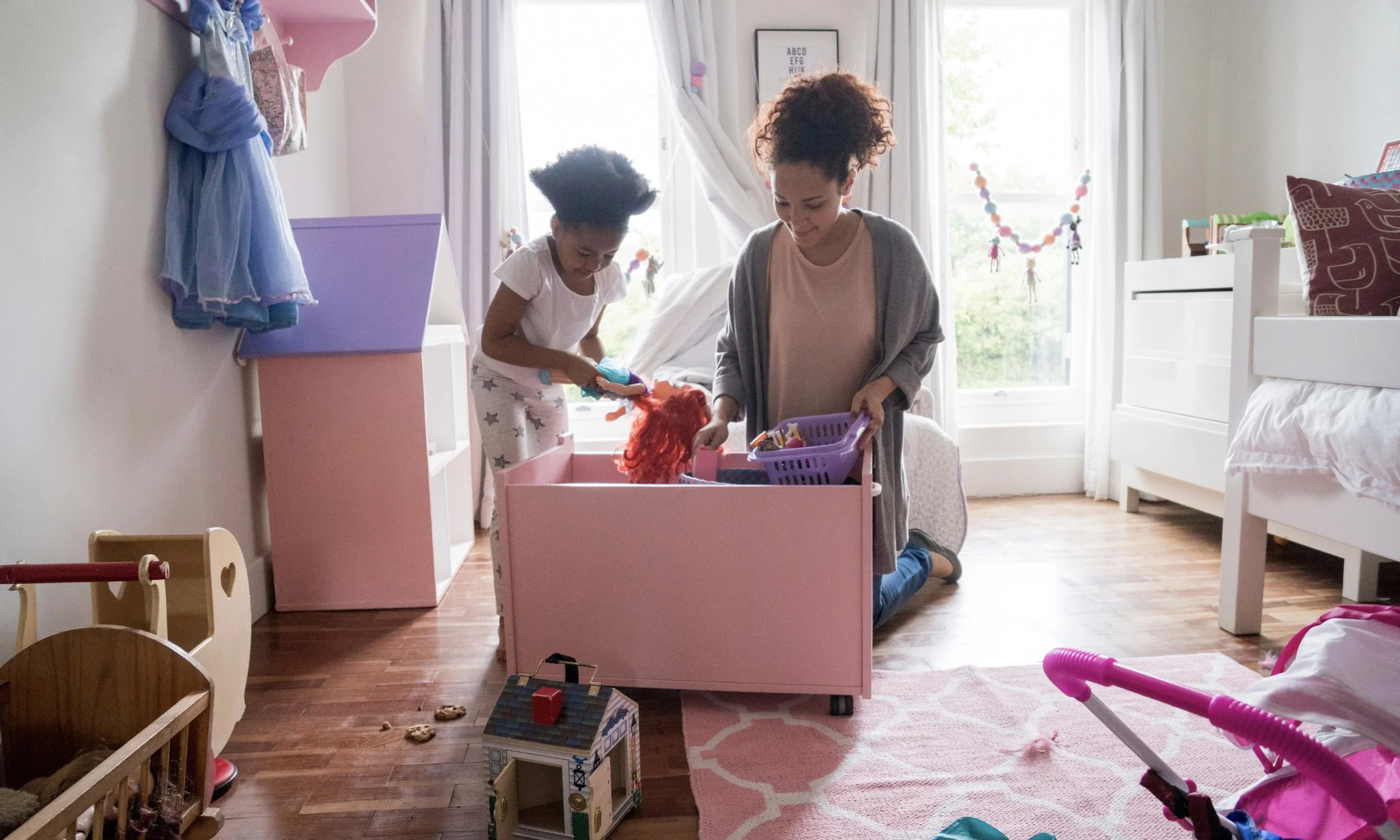
Build in a Short Reset
Most homes need regular maintenance. That does not mean the organizing system failed.
A five-minute reset at a consistent time can help keep small messes from becoming overwhelming.
You might reset the entryway after dinner, clear the kitchen counter before bed, or have everyone put away five items before leaving a room.
For neurodivergent family members, visual reminders, timers, music, and body doubling can make these tasks easier to begin.
A reset does not need to be perfect.
The goal is simply to make tomorrow a little easier.
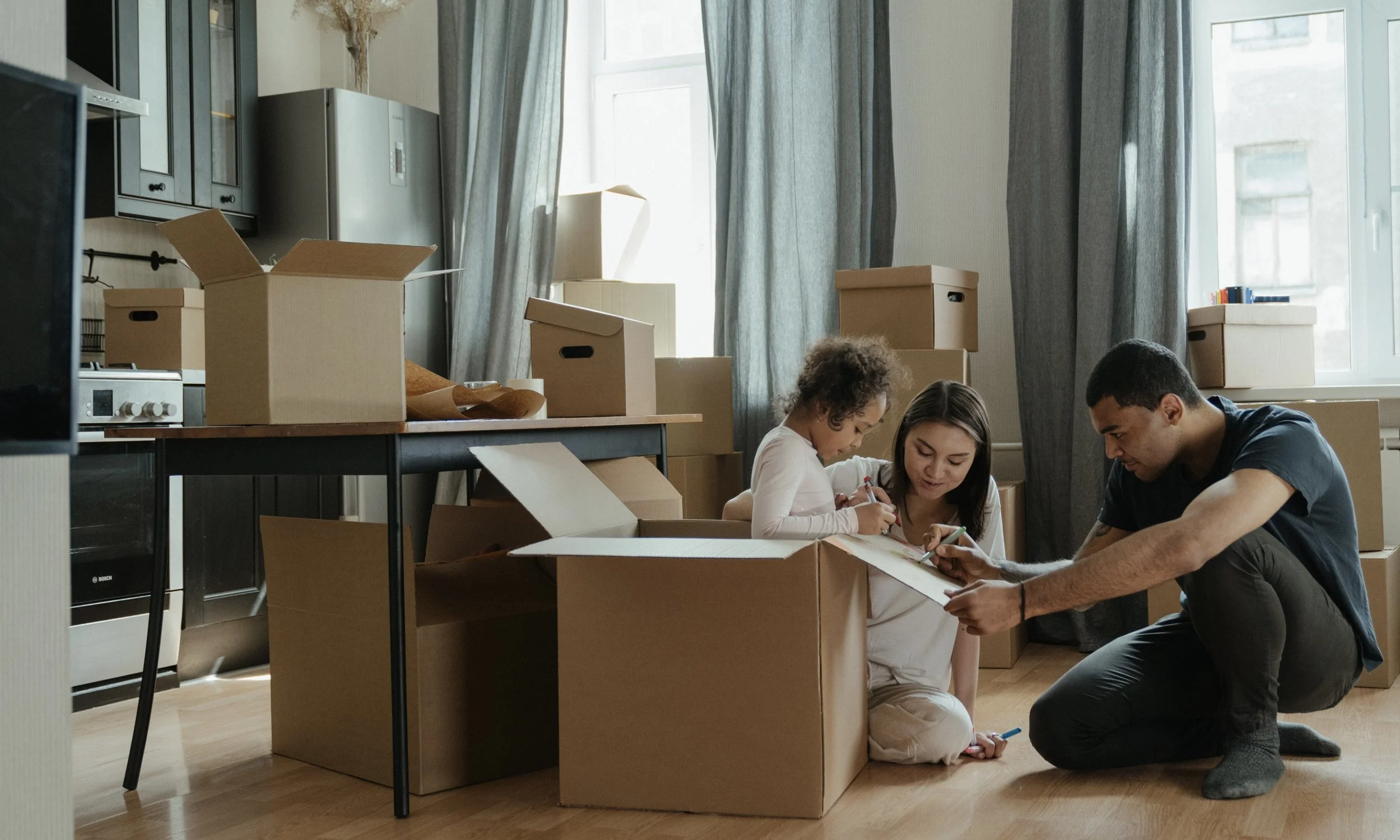
Unpack With Intention
When moving into a new home, there can be pressure to empty every box as quickly as possible.
However, unpacking is also an opportunity to create a more functional home from the beginning.
Before putting everything away, consider:
• Who uses this item?
• How often is it used?
• Where will it be easiest to access?
• Does this location make sense for the way the room is used?
• Is there enough space for the item to be put away easily?
• Does the family need to keep everything that was moved?
Professional unpacking and organizing services can help families avoid recreating the same clutter and storage problems they had in their previous home.
A thoughtful setup can make daily routines smoother from the start.
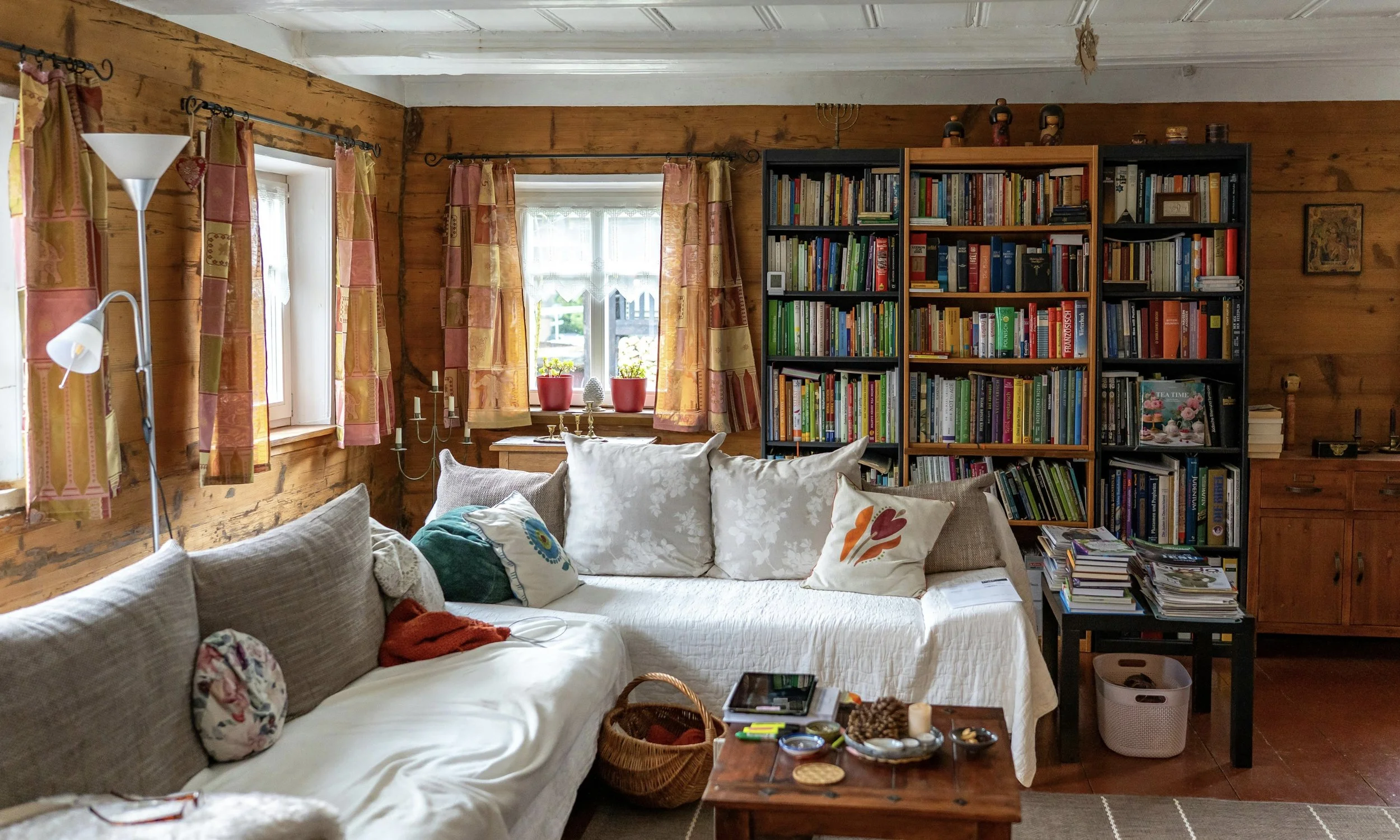
Choose Function Before Perfection
A functional home does not have to look like a showroom.
There may be toys in the living room, school papers on the counter, laundry in progress, or a basket that is not perfectly styled.
That is real life.
The more important questions are:
• Can your children find what they need?
• Can family members put things away without too many steps?
• Can you move through the space safely?
• Are the systems understandable and manageable?
• Does the home feel easier to use?
Those are better measures of success than whether every container matches.
Your Home Should Support Your Life
Home organizing is not about changing who you are or making your family live in an unrealistic way.
It is about reducing stress, making daily tasks easier, and creating systems that can be maintained even during busy seasons.
When a home is organized around the way your family really lives, it becomes easier to find things, complete routines, manage clutter, and spend less time feeling frustrated by the space.
If you are moving, unpacking, preparing for the school year, or trying to create more functional home organization systems, you do not have to figure it all out on your own.

Hi! I’m Amy, a professional home organizer in Maine. I travel within 30 miles of Portland, Maine clearing clutter from people’s homes. I take away the overwhelm and stress that having too much stuff can cause by working with you to help you release what no longer serves you and thoughtfully organize the items you want to keep in a way that functions for you and your family. I’ll even remove and drop off your donations, recyclables and trash.
Click here to schedule a complimentary phone consultation with me to talk about how I can help you feel stress-free and at peace in your home!