
How Your Home Environment Can Support Your Mental Well-Being
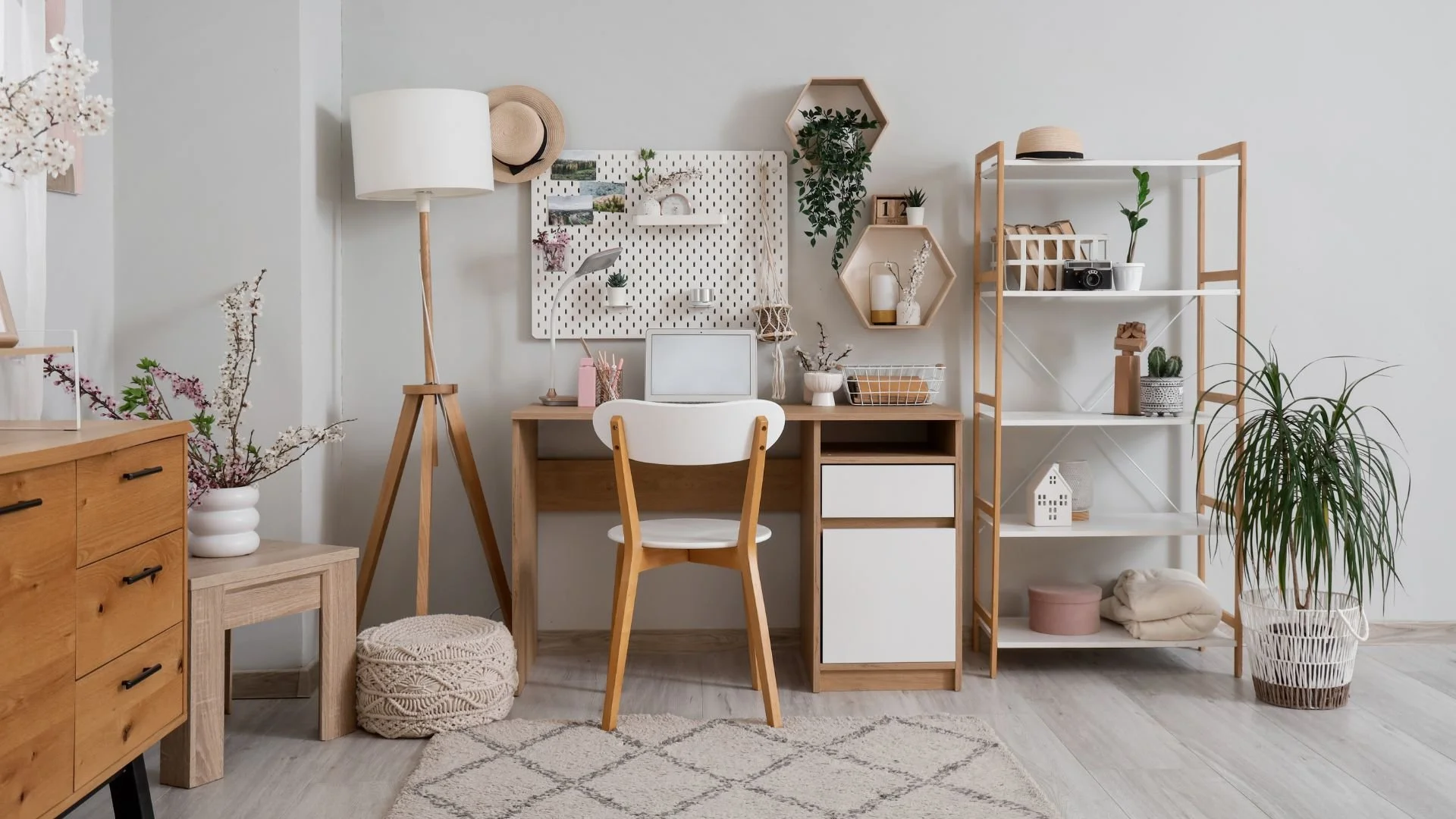
May is Mental Health Awareness Month, and it’s a good reminder that our homes affect more than just how things look.
For many of the clients I work with, clutter isn’t really about being lazy, messy, or unmotivated. More often, it’s the result of life happening all at once.
Busy schedules. Careers. Kids. Aging parents. Health challenges. Major life transitions. Renovations. Moves. Grief. Burnout. Decision fatigue.
When you’ve been in survival mode for long enough, it’s easy for the physical environment around you to start reflecting the mental load you’ve been carrying.
And while organizing your home won’t magically remove stress from your life, creating calmer, more functional spaces can absolutely help you feel more grounded, supported, and able to breathe again.
As a professional organizer and occupational therapist, I often see how deeply connected our environment is to our emotional well-being, energy, routines, and daily function.
The good news is that you do not need a perfectly organized Pinterest home to feel better. Small, realistic changes can make a meaningful difference.

1. Visual Clutter Can Increase Feelings of Overwhelm
When every surface is covered, laundry is piling up, paperwork is scattered, and closets are overflowing, your brain never fully gets a chance to rest.
Even when you’re trying to relax, your mind is still quietly tracking unfinished tasks in the background.
Many of my clients tell me they don’t even realize how stressed their environment is making them feel until we clear one small area and they suddenly feel lighter.
That’s because clutter constantly competes for your attention.
This is especially common for:
busy moms
professionals working from home
people managing ADHD or executive function challenges
the sandwich generation caring for both children and aging parents
individuals downsizing or navigating a major life transition
Decluttering doesn’t have to mean getting rid of everything you own. It’s about creating a home that supports your current season of life instead of working against it.
Sometimes starting with just one small, manageable area, like the kitchen counter, entryway, or bathroom sink, can help create momentum.

2. A Functional Home Reduces Daily Stress
One of the biggest things I help clients with is reducing friction in everyday routines.
When systems aren’t working, simple tasks suddenly become exhausting.
You spend extra time:
looking for missing items
digging through overstuffed drawers
managing piles
re-buying things you already own
cleaning around clutter
feeling behind before the day even begins
That constant mental load adds up.
Creating functional organizing systems helps simplify daily life and conserve mental energy.
And contrary to what social media sometimes shows, organization doesn’t need to be expensive, complicated, or aesthetically perfect to work well.
In many homes, simple solutions are the most sustainable:
labeled baskets
donation bins
drop zones near the door
simplified storage
easy-to-maintain routines
systems the whole family can actually follow
The goal is not perfection. The goal is making your home easier to live in.

3. Your Environment Affects Your Ability to Rest
So many women I work with spend all day taking care of everyone else and then try to relax in spaces that still feel stressful.
Bedrooms become storage areas.
Nightstands become paperwork piles.
Laundry never fully disappears.
When your environment constantly reminds you of unfinished tasks, it becomes much harder for your nervous system to fully settle.
Creating a more peaceful bedroom doesn’t require a complete makeover.
Small changes can help:
clearing floor clutter
reducing visual distractions
soft lighting
fresh bedding
removing work materials
creating simple nightly reset habits
Your home should contain spaces where you can recharge, not just spaces where you manage responsibilities.

4. Decluttering Can Create More Space for Connection
One thing people rarely talk about is how clutter can quietly affect relationships.
When a home feels chaotic, it’s common to feel more irritable, overstimulated, embarrassed, or emotionally drained.
Many clients tell me they avoid inviting people over because they feel ashamed of the state of their home. Others feel like they spend so much time managing stuff that they have less time and energy for the people they love.
A more organized, simplified home often creates more room for:
connection
family dinners
hosting without panic cleaning
hobbies
creativity
rest
quality time
simply enjoying your space again
That doesn’t mean your house needs to look perfect. It just means your home begins supporting your life instead of constantly demanding energy from you.

5. You Don’t Have to Do It Alone
One of the hardest parts of overwhelm is figuring out where to start.
That’s why so many people stay stuck for months or years, even when they desperately want change.
My approach to professional organizing is never about judgment or forcing people to become minimalists.
It’s about helping clients create practical, functional systems that work for their real lives, personalities, energy levels, and routines.
Whether someone is:
downsizing
unpacking after a move
overwhelmed by years of accumulated clutter
struggling with executive function
managing sentimental items
organizing family photos
or simply trying to feel calmer in their home again
…the process starts with support, not shame.
You deserve a home that feels peaceful, functional, and supportive of your well-being.
And you do not have to tackle it all at once.
Final Thoughts
Mental wellness is influenced by many things, and your home environment is one piece of that puzzle.
Small changes in your physical space can help reduce stress, simplify routines, and create more room for rest and connection.
Progress matters more than perfection.
And sometimes, having someone walk alongside you through the process can make all the difference.
If you’re feeling overwhelmed by clutter, downsizing, unpacking, or simply don’t know where to begin, I’d be happy to help you create a home that feels lighter, calmer, and easier to manage.

Hi! I’m Amy, a professional home organizer in Maine. I travel within 30 miles of Portland, Maine clearing clutter from people’s homes. I take away the overwhelm and stress that having too much stuff can cause by working with you to help you release what no longer serves you and thoughtfully organize the items you want to keep in a way that functions for you and your family. I’ll even remove and drop off your donations, recyclables and trash.
Click here to schedule a complimentary phone consultation with me to talk about how I can help you feel stress-free and at peace in your home!