Don’t Leave Your Stuff for Your Kids to Deal With
It might sound harsh but it's something I see often in my work as a professional organizer:
Your kids probably don't want most of your stuff.
That doesn't mean they don't value you, your memories or your family history. It simply means that the things that have meaning to you may not have the same meaning to them.
I've worked with older adults who are trying to sort through decades of belongings, and I've worked with adult children who have inherited not only their parents' possessions, but sometimes their grandparents' and other family members' belongings too.
That's when boxes of "important things" can turn into an overwhelming responsibility.
There's Usually a Reason We Hold On
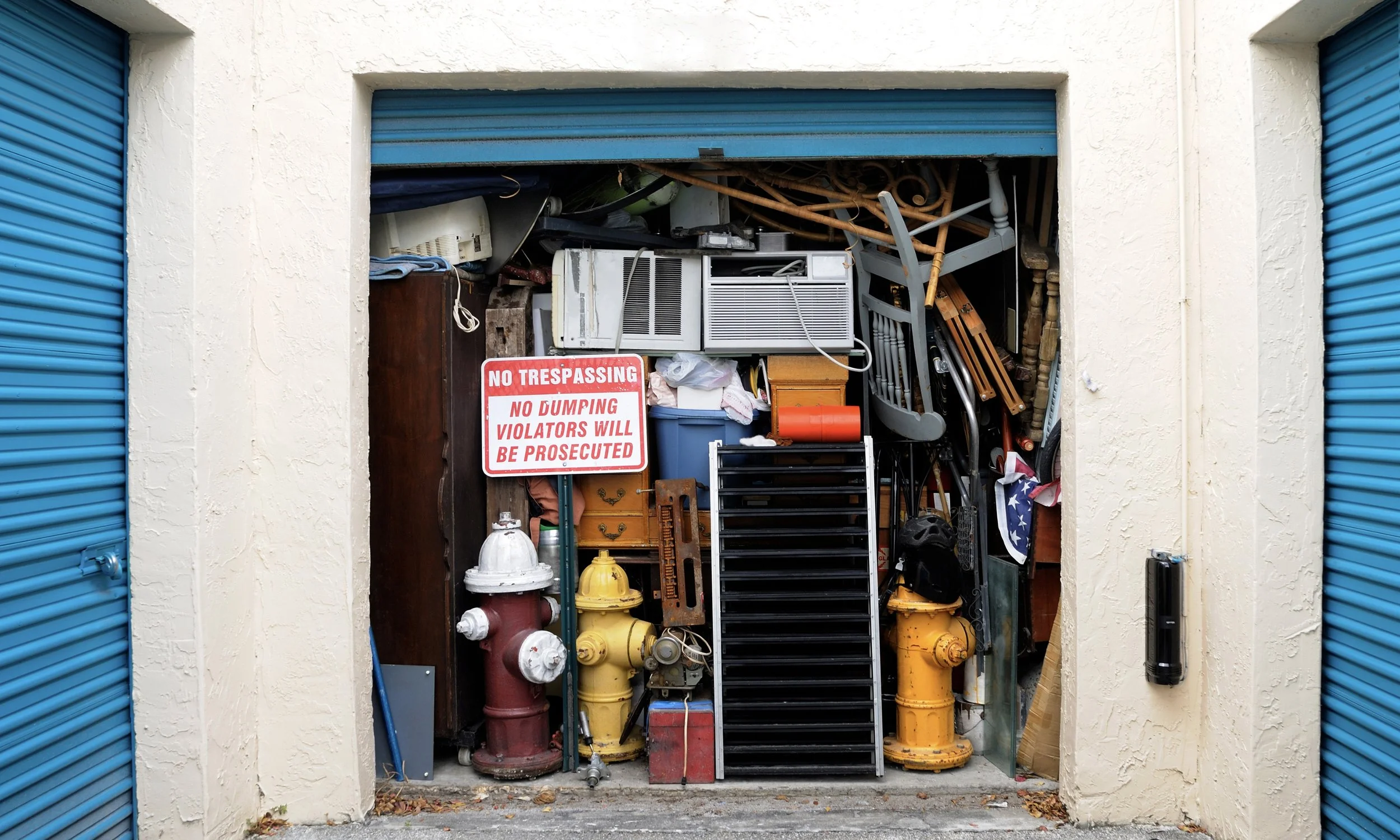
When I walk into a cluttered home, I don't assume someone is lazy or simply doesn't care.
There are so many reasons people have difficulty letting go.
Some people were raised by parents or grandparents who lived through the Great Depression or other periods when resources were scarce. The message was clear: Don't waste anything. You might need it someday.
Even generations later, that scarcity mindset can be difficult to shake.
For others, it's guilt.
My mother gave me that.
That belonged to my grandmother.
I paid good money for it.
Someone could use that.
I should sell it.
Sometimes executive function challenges, including those associated with ADHD, can make the process especially difficult. Deciding what to keep, figuring out where something should go, completing a donation run or following through on a plan to sell something all require multiple decisions and steps.
According to ADDitude, a magazine and online resource focused on ADHD and related conditions, difficulties with attention, working memory, decision making, procrastination and emotional regulation can sometimes contribute to hoarding behaviors. That doesn't mean everyone with clutter has ADHD or hoarding disorder, but it does help explain why "just get rid of it" isn't always helpful advice.
Shopping and excessive acquiring can add another layer. Things come into the house much faster than they're leaving it.
Whatever the reason, the result can be the same. The decisions keep getting postponed while the amount of stuff keeps growing.
And Then the Decisions Belong to Someone Else
Eventually, the belongings have to be dealt with.
When a parent dies, moves into assisted living or memory care, or has a health change that makes managing the home impossible, adult children may suddenly find themselves responsible for decades of possessions.
And they're often doing it during an already stressful or emotional time.
I've seen families approach this in very different ways, but the outcomes tend to fall into a few broad categories.
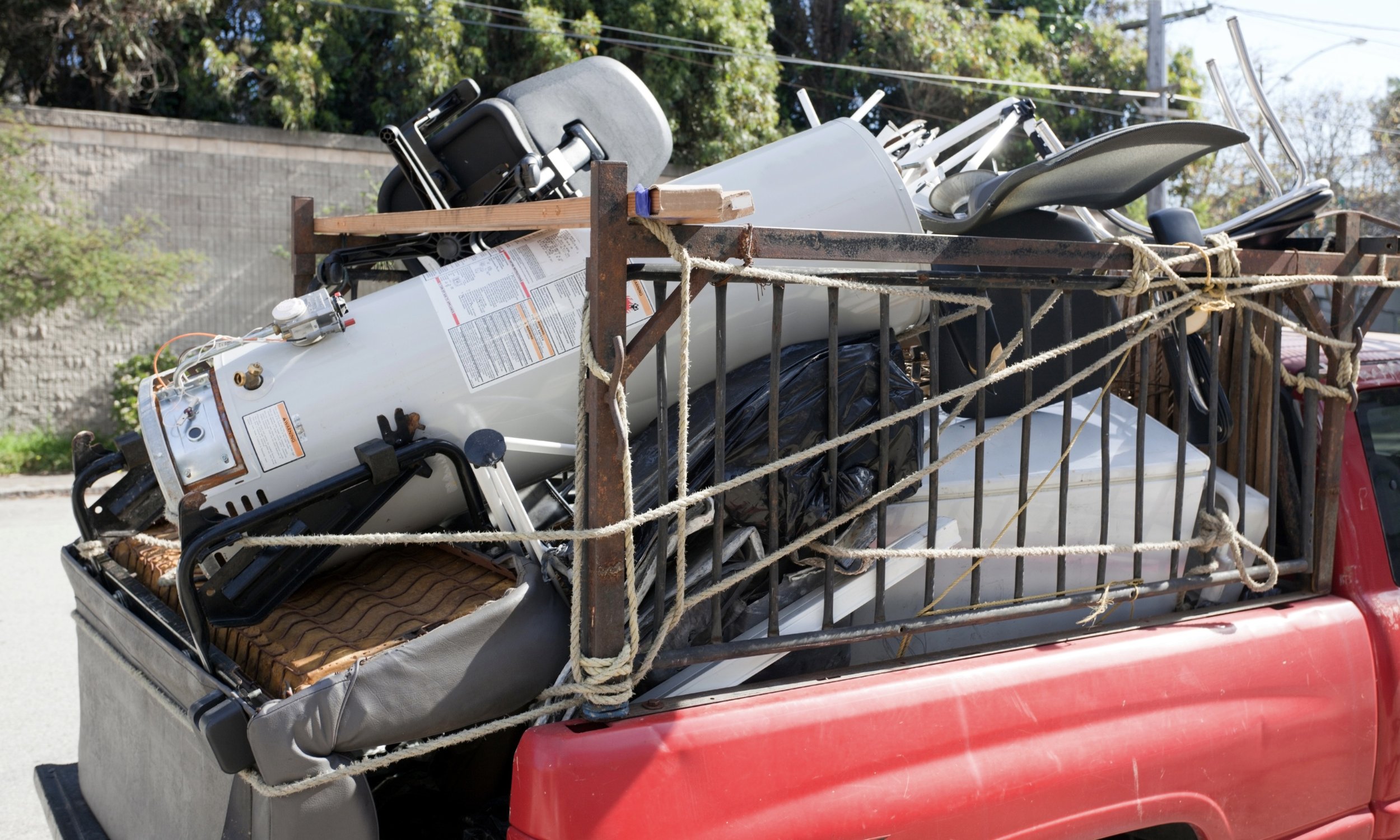
The cleanout: There isn't enough time or emotional energy to sort everything carefully, so a junk removal or cleanout company is brought in and much of it goes at once.
Keep everything: Family members are afraid of accidentally getting rid of something valuable or meaningful, so boxes move into another basement, attic, garage or storage unit. The belongings haven't really been dealt with. They've simply moved to the next generation.
The family battle: Siblings or relatives disagree about what things are worth, who should receive them, what Mom or Dad would have wanted, or whether something should be kept at all.
None of those are particularly peaceful ways to handle a lifetime of memories.
But there is another option.
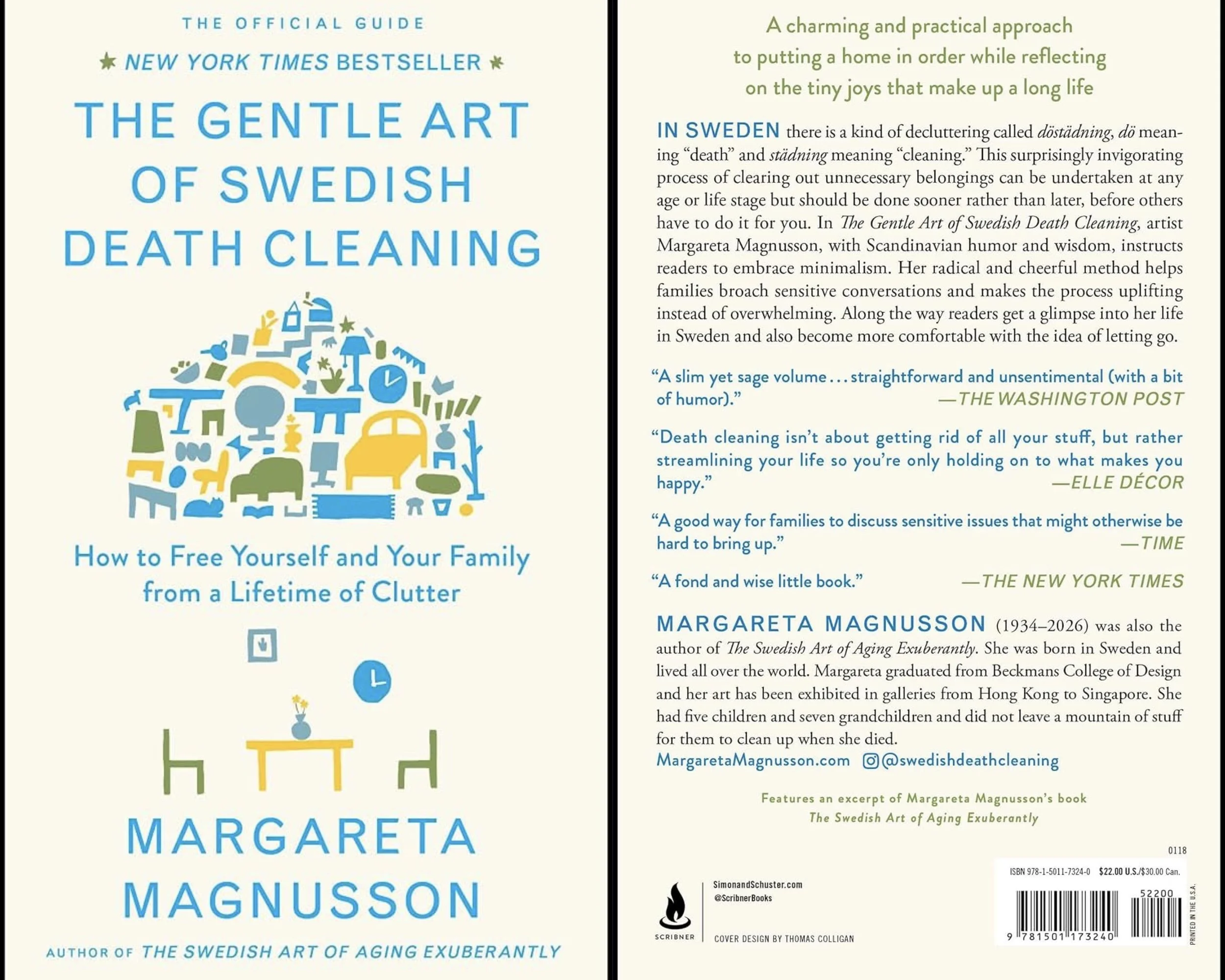
Have You Heard of Swedish Death Cleaning?
Despite the name, Swedish death cleaning isn't really about death. It's about making life easier for yourself and for the people you love.
The Swedish term döstädning combines the words for "death" and "cleaning." The idea was popularized by Margareta Magnusson in her book The Gentle Art of Swedish Death Cleaning: How to Free Yourself and Your Family from a Lifetime of Clutter.
The idea is pretty simple. Gradually go through your possessions while you're still able to make the decisions yourself.
You decide what matters.
You decide what can go.
You decide who should receive meaningful family pieces.
And you get to tell the stories behind them.
Most importantly, you don't have to wait until you're elderly to do it.
Swedish death cleaning can happen at any stage of life. Starting earlier means you get to enjoy the benefits of having less to manage now while also reducing what someone else may eventually have to handle for you.
You can learn more about Margareta Magnusson's book, The Gentle Art of Swedish Death Cleaning, here
Start With the Easy Things
This doesn't mean emptying your entire house over a weekend. In fact, I wouldn't recommend that at all.
Start somewhere that isn't highly emotional.
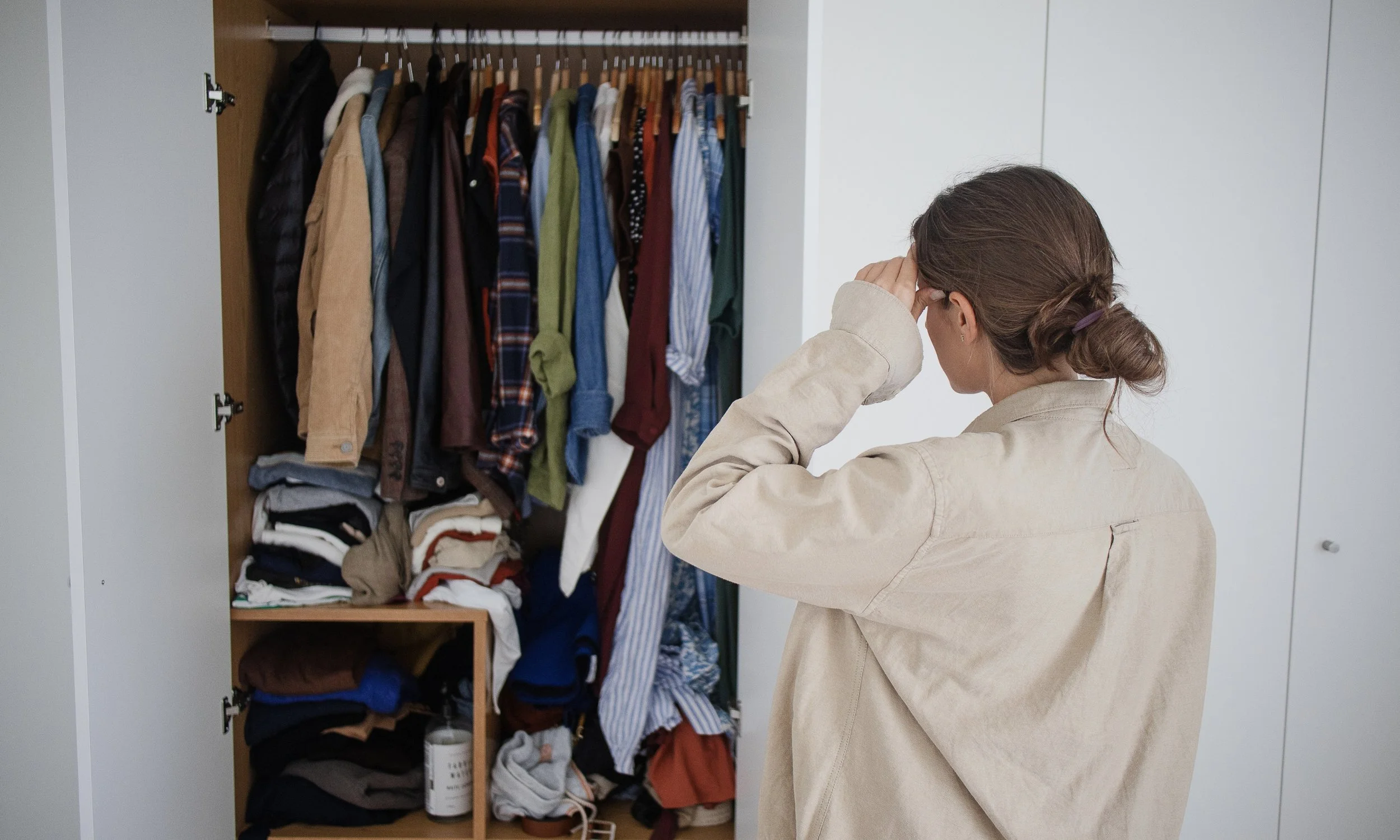
Go through clothes you haven't worn in years. Look at the extra kitchen items you never use. Tackle the garage shelf filled with things you've been meaning to donate. Get rid of old paperwork that no longer needs to be kept.
Save the photographs, family letters and deeply sentimental belongings for later.
As you build confidence making easier decisions, the harder ones often become more manageable.
And when you come across something you've been saving specifically for your children, ask them.
"Would you want this someday?"
You might be surprised by their answer.
If they want it, wonderful. Tell them its story. Put their name on it or make a note about where you'd like it to go.
If they don't want it, give yourself permission to decide what you want to do with it rather than leaving that decision for the next generation.
Your Memories Aren't All in the Objects
This can be one of the hardest parts.
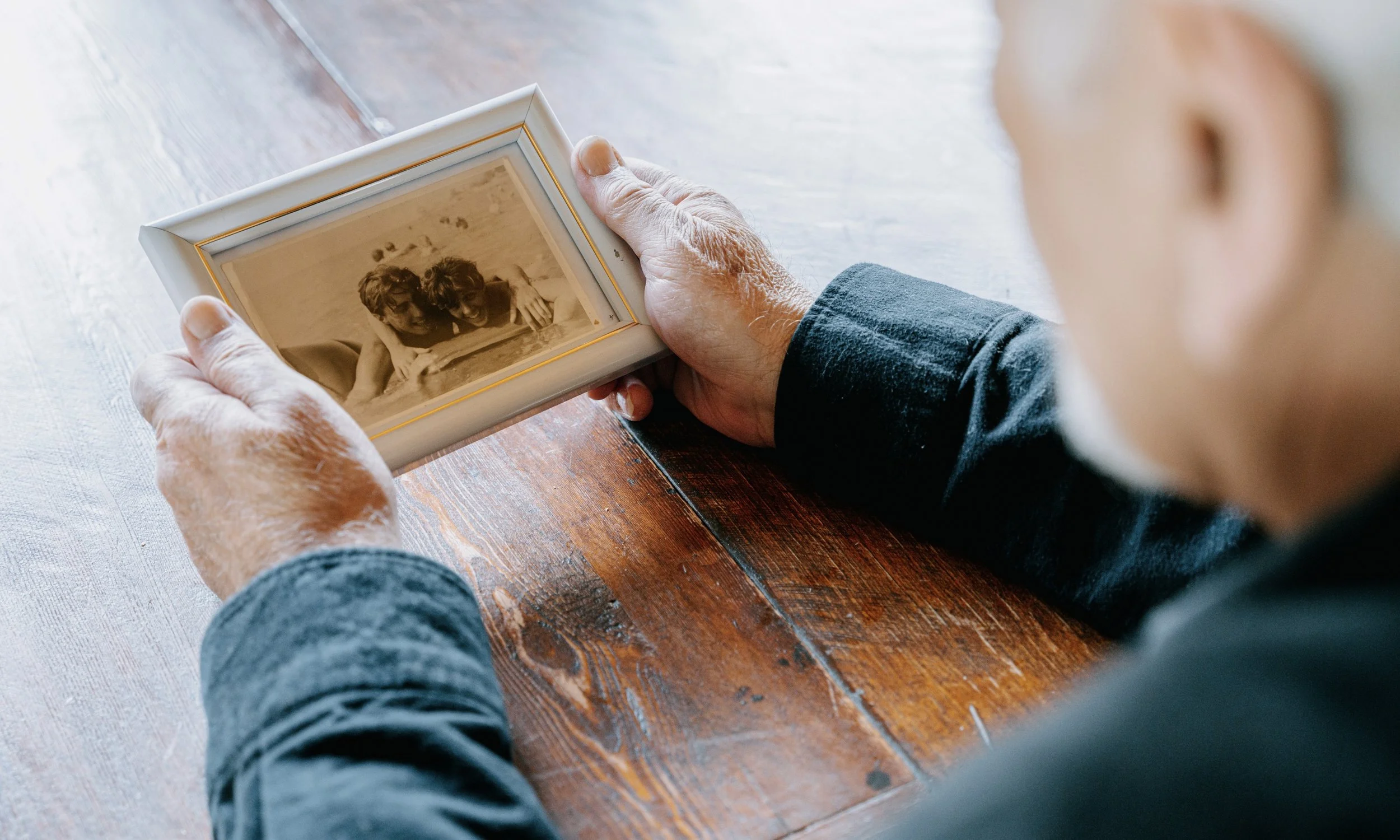
Letting go of an object doesn't mean you're letting go of the person who owned it or the memory attached to it.
Sometimes taking a photograph is enough. Sometimes keeping one meaningful piece from a collection is more special than keeping all 40. Sometimes giving an item to someone who will actually use and appreciate it feels much better than leaving it packed in a box.
The goal isn't to get rid of everything.
It's to make the meaningful things easier to see because they're no longer buried among everything else.

You Don't Have to Do It Alone
If you've accumulated decades of belongings, inherited things from previous generations or simply don't know where to begin, it's okay to ask for help.
Sometimes you just need another person beside you who can keep the process moving, ask the right questions and help you follow through with the decisions you've already made.
That's a big part of what I do as a professional organizer.
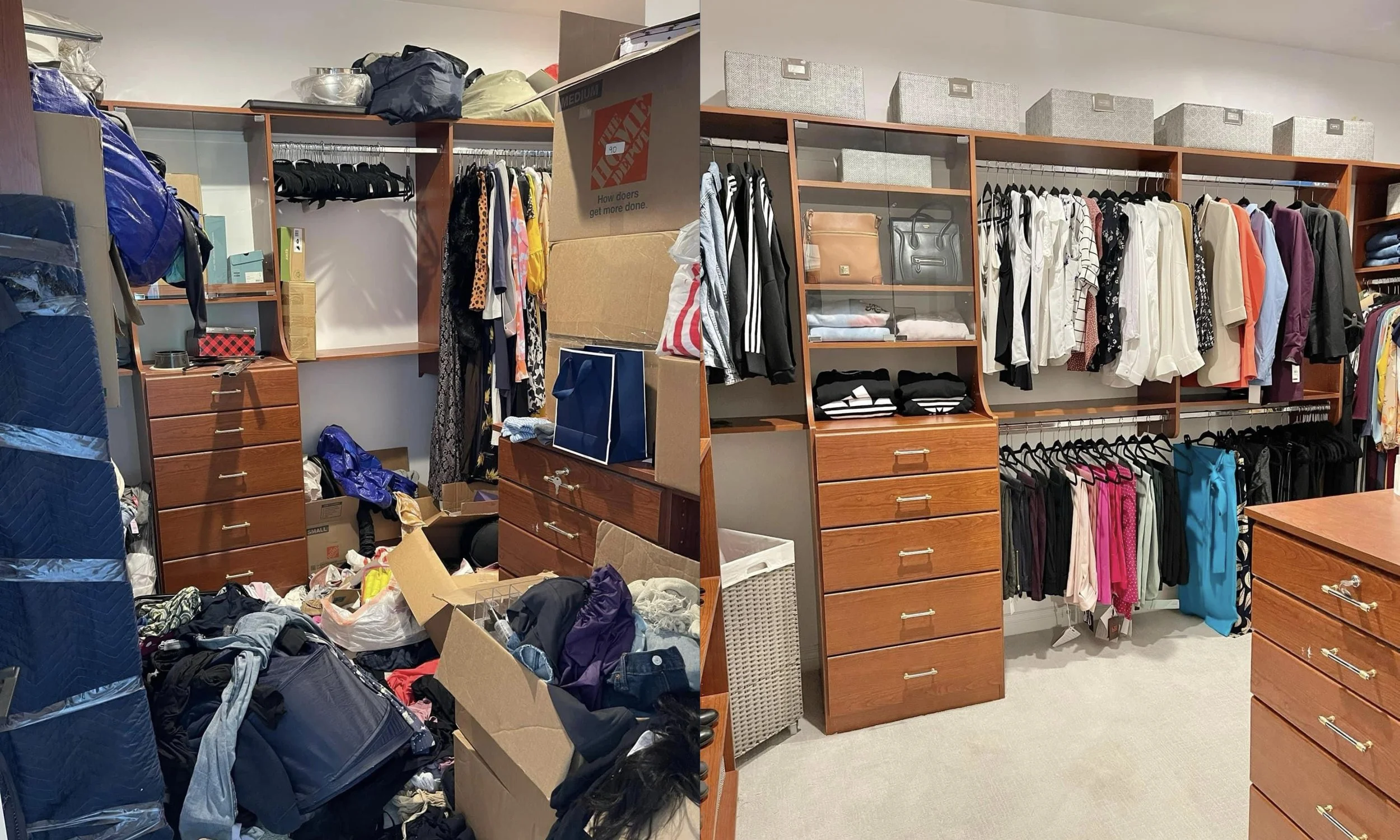
I help clients break large, overwhelming projects into manageable pieces. We work through decisions together, create systems for what's staying, and find appropriate places for what isn't, whether that's donation, recycling, gifting or disposal.
My background as an occupational therapist also influences how I approach this work. Organizing isn't simply about making a space look pretty. It's about creating a home that continues to work for you through different stages of life.
One of the Kindest Things You Can Leave Behind
We spend a lot of time thinking about what we'll leave our children.
Money. Property. Family heirlooms. Photographs. Traditions.
Maybe we should also think about what we don't leave them.
Not 75 boxes they have to open.
Not a basement filled with things they're afraid to throw away.
Not a storage unit they're paying for because they don't know what else to do.
Not arguments between siblings about what happens to everything.
You don't need to get rid of everything you love. You don't need to become a minimalist.
You just need to start.
One drawer. One closet. One box at a time.
Taking responsibility for our belongings while we're able to make those decisions ourselves isn't really about preparing for death.
It's about making life a little easier for ourselves now and for the people we love later.
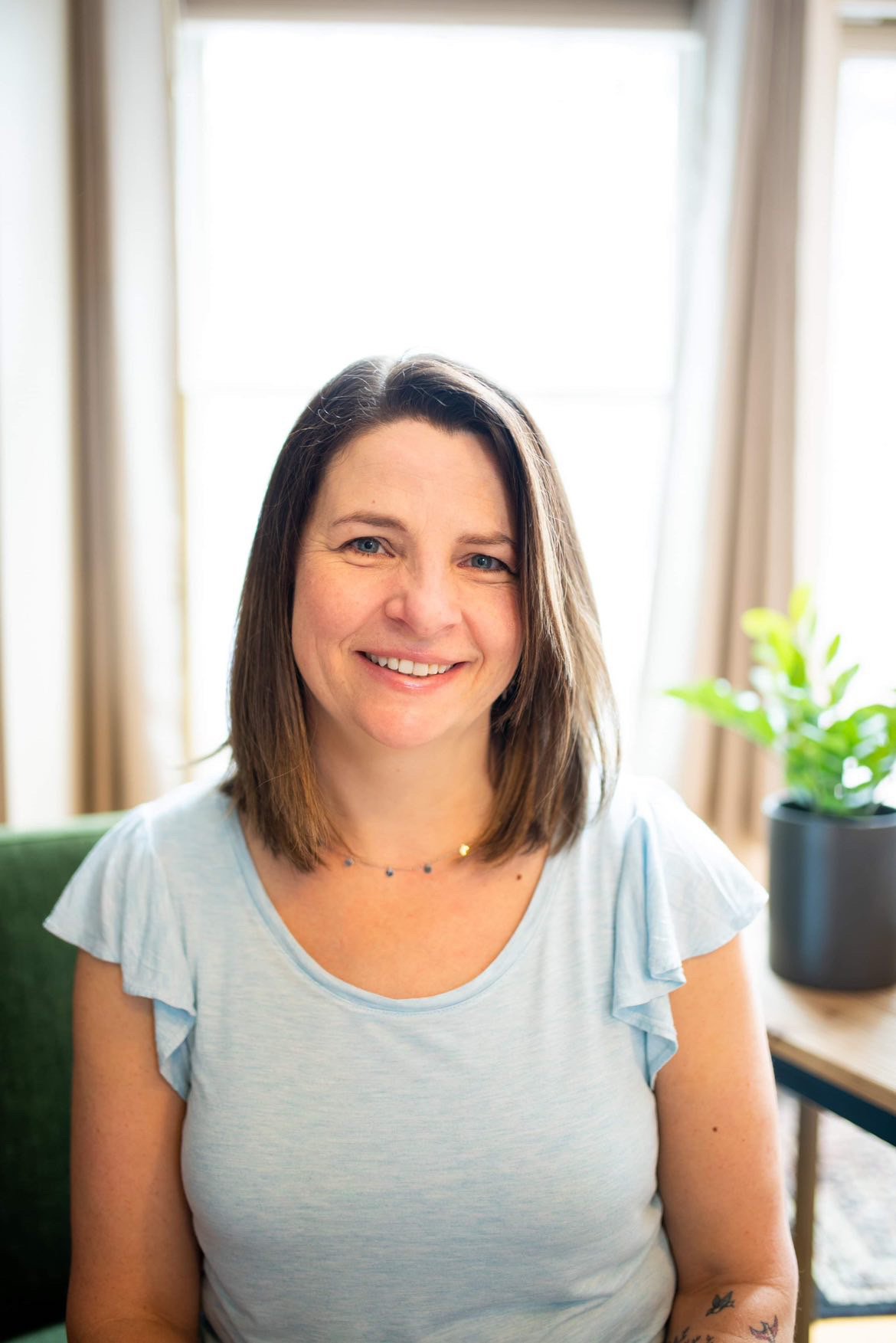
Hi! I’m Amy, a professional home organizer in Maine. I travel within 30 miles of Portland, Maine clearing clutter from people’s homes. I take away the overwhelm and stress that having too much stuff can cause by working with you to help you release what no longer serves you and thoughtfully organize the items you want to keep in a way that functions for you and your family. I’ll even remove and drop off your donations, recyclables and trash.
Click here to schedule a complimentary phone consultation with me to talk about how I can help you feel stress-free and at peace in your home!